





Ventanas altas tyenes tu
Alternative Title: Ventanas altas tyenes tu, La kantiga de Hanum Dudu, Una noche yo me armi, Una noche yo passi
Description
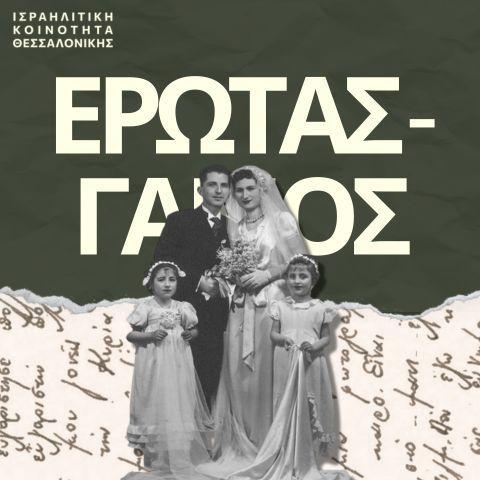
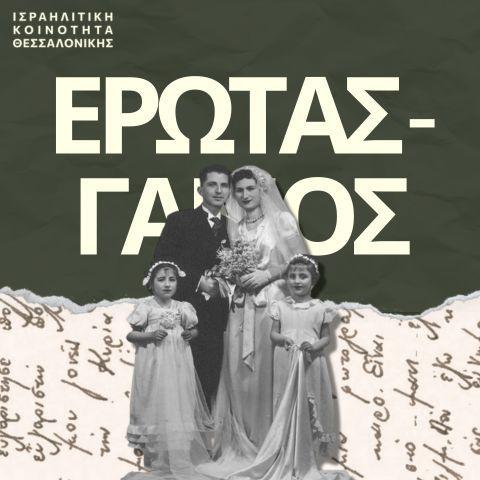
One of the most celebrated and well-known wedding songs of the Sephardic tradition according to researcher Alberto Nar. It appears in a multitude of sources, with numerous variations of the text. Other researchers who provide information on the song are Isaac Molho, as well as by Rabbi Molho. Isaac Molho states: “A wedding song that was sung on the Saturday night preceding a wedding; a celebration took place with music and songs called al mosama. The characteristic song of the evening was sung by the groom to the bride.” Rabbi Michael Molho, in his book Traditions and Customs of the Sephardic Jews of Salonica, vividly describes the context in which the Jews of Thessaloniki sang this particular song:
By midnight, all the guests had left. Only the mother of the bride remained or, in her absence, an elder sister or aunt, together with the parents of the groom, in whose home the young couple would normally live. The newly-married bride was introduced to her bedroom, where her mother would join her to give her blessing and, above all, her counsel and advice on her forthcoming nuptial state. Other married men, friends of the groom, took charge of indoctrinating him in the same matter. The last preparations finished, the men raised the groom to their shoulders and they carried him in triumph to the door of the nuptial chamber, while the women chanted and shouted, clapping their hands to the following song. [1]
In the present study we present the recordings from the archive of Flora Molho, the Maale Adumim Institute, as well as the version of Rabbi Michael Molho. Alberto Nar, in Kimenni epi aktis… thalassis, records an alternative and more extensive version which, as he notes, is based on the oral testimony of Yaakov Tsidikario. The latter is identified with the individual who appears in the Maale Adumim recording; however, the lyrics show differences from source to source.
[1] Molho, Michael. Traditions and Customs of the Sephardic Jews of Salonica, p. 22-23.
Version 1
Ventanas altas tyenes tu
Flora Molho Archive. Performed by the parents of Isaac and Rita Molho. This particular recording is shorter and shows some differences in certain words, but not in the overall meaning compared to the other versions presented here.
Alternative Title: Ventanas altas tyenes tu, La kantiga de Hanum Dudu, Una noche yo me armi, Una noche yo passi
Lyrics
Ventanas altas tienes tu /venˈtanas ˈaltas ˈtjenes tu/ You have tall windows,
kon velas amariyas. /kon ˈvelas amaˈɾijas/ with yellow curtains.
Esta noche voro garyo, /ˈesta ˈnotʃe ˈvoɾo ˈgaɾjo/ Tonight I am going to give a fight,
ke me suvas arriva. /ke me ˈsuvas aˈriva/ so that you take me up there.
Tiri lay la op /ˈtiɾi lai la op/
tiri lay la oppa /ˈtiɾi laj la ˈopa/
El aniyo ke tyenes tu, /el aˈniʝo ke ˈtjenes tu/ The ring that you have,
es diamante fino. /ves djaˈmante ˈfino/ it’s a fine diamond.
El kuyumdji ke me lo dyo, /el kuˈjumdʒi ke me lo ðjo/ the goldsmith who gave it to me,
es prima amigo mio. /es ˈpɾima aˈmiɣo ˈmio/ is, above all, my friend.
Tiri lay la op /ˈtiɾi laj la op/
tiri la la opa /ˈtiɾi la la ˈopa/
Version 2
Ventanas altas tyenes tu
Archive of Maale Adumim Institute, Catalogue number: 710 https://folkmasa.org/avshir/shirp.php?mishtane=710 Performed by Yaakov Tsidikario.
Alternative Title: Ventanas altas tyenes tu, La kantiga de Hanum Dudu, Una noche yo me armi, Una noche yo passi
Lyrics
Ventanas altas tienes tu /venˈtanas ˈaltas ˈtjenes tu/ You have tall windows
kon velas amariyas. /kon ˈvelas amaˈɾijas/ with yellow curtains.
Esta noche Hanum [11] Dudu [12] /ˈesta ˈnotʃe ˈha.num ˈdu.du/ _Tonight, my dearest _
ke me suvas ariva. /ke me ˈsuvas aˈɾiva/ you will allow me up
Tiri lay lay lay /ˈtiɾi laj laj laj/
tiri la la opa /ˈtiɾi la la ˈopa/
El aniyo ke yevas tu, /el aˈniʝo ke ˈʝevas tu/ The ring that you are wearing
el diamante es mio. /el djaˈmante es ˈmio/ its diamond is mine
El kuyumdji ke te lo dyo, / el kuˈjumdʒi ke te lo ðjo/ The goldsmith that gave it to you
es primo ermano mio. /es ˈpɾimo eɾˈmano ˈmio/ is like a brother to me.
Tiri lay lay lay /ˈtiɾi laj laj laj/
tiri la la oppa /ˈtiɾi la la ˈopa/
El fostan ke yo te korti [13] /el fosˈtan ke ʝo te ˈkoɾti/ The dress that I had made for you
de hare korelado, /de ˈaɾe koɾeˈlaðo/ made of red silk,
ke te lo vistas tu, hanum, /ke te lo ˈvistas tu ˈa.num/ so that you wear it,
kuando vas a ir al banyo. [14] /ˈkwando vas a iɾ al ˈβaɲo/ when you go to the kikvah
Tiri lay lay lay /ˈtiɾi laj laj laj/
tiri la la opa /ˈtiɾi la la ˈopa/
11 Τούρκικη λέξη που ‘κυρία’ ή ‘δεσποινίς’. Χρησιμοποιείται ως ευγενικός τίτλος σεβασμού προς μια γυναίκα, αντίστοιχο με το ελληνικό ‘κυρία’. Στη λαδίνο και σε άλλα γλωσσικά συμφραζόμενα, όπως σε τραγούδια ή εκφράσεις της σεφαραδίτικης παράδοσης, μπορεί να χρησιμοποιείται με τον ίδιο τρόπο, δηλαδή για να αναφερθεί ευγενικά ή με τρυφερότητα σε μια γυναίκα, όπως "αγαπημένη μου κυρία" ή "καλή μου". 12 Dudu ή Dudun σύμφωνα με το λεξικό του Ιωσήφ Νεχαμά είναι γυναικείο όνομα. Σύμφωνα όμως με εναλλακτικές πηγές η λέξη είναι περσική και αργότερα ενσωματώθηκε στην τουρκική γλώσσα και σημαίνει 'αγαπητή’ ή ‘αγαπημένη’. Tέλος, σύμφωνα με τον Αλμπέρτο Ναρ, Dudu είναι το αντίστοιχο του ονόματος ‘Ανθή’ ή ‘Ανθούλα. Κειμένη επί ακτής…θαλάσσης, σελ. 312. 13 from the verb kortar, which means “to cut”. In this case it means that it was made. 14 the term banyo refers to the mikvah.
Version 3
Ventanas altas tyenes tu
The present version is from Michael Molho's Traditions and Customs of the Sephardic Jews of Salonica and is not accompanied by an audio recording.
Alternative Title: Ventanas altas tyenes tu, La kantiga de Hanum Dudu, Una noche yo me armi, Una noche yo passi
Lyrics
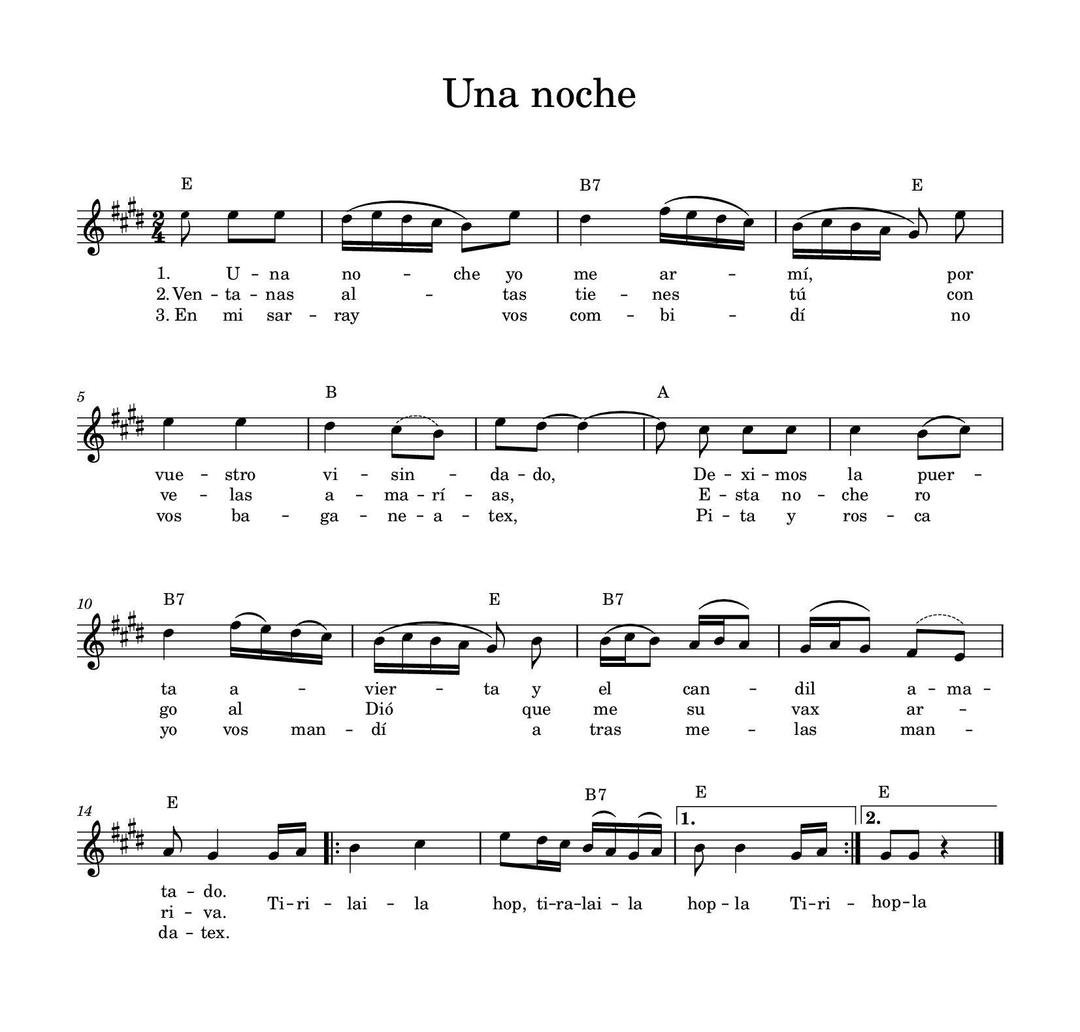
Una noche yo me armi, /ˈuna ˈnotʃe ʝo me ˈarmi/ One evening I came,
Por vuestro visindado, [15] /por ˈvwestɾo visinˈðaðo/ Into the neighborhood,
Deshimos la puerta avierta /deˈʃimos la ˈpwerta aˈvjɛɾta/ We left the door open
Y el kandil amatado. /i el kanˈdil amaˈtaðo/ And the candle unlit.
Tirilaila hop, tiralaila opa. /tiɾiˈlajla hop, tiɾaˈlajla ˈopa/
Ventanas altas tyenes tu /benˈtanas ˈaltas ˈtjenes tu/ Your windows are very high,
Con velas amarias, /kon ˈvelas amaˈɾijas/ With yellow curtains,
Esta noche rogo al Dyo /ˈesta ˈnotʃe ˈrogo al ˈðjo/ Tonight, God willing,
Ke me suvash arriva. /ke me ˈsubaʃ aˈɾiva/ You will allow me up.
Tirilaila hop, tiralaila opa. /tiɾiˈlajla hop, tiɾaˈlajla ˈopa/
En mi sarray [16] vos kombidi /en mi saˈɾaj vos komˈβidi/ To my Seraglio I invited you,
No vos baganeatesh, /no vos baɣaˈneates/ But you did not deign to come,
Pita i roska [17] yo vos mandi /ˈpita i ˈroska ʝo vos ˈmandi/ Bread and cakes I have sent you,
Atras me las mandatesh. /aˈtɾas me las manˈdates/ But you sent them back to me.
Tirilaila hop, tiralaila opa. /tiɾiˈlajla hop, tiɾaˈlajla ˈopa/
El anio ke vos lyevash, /el aˈniʝo ke vos ʝeˈβaʃ/ The ring that you wear,
El diamante es mio /el djaˈmante es ˈmio/ The diamond is mine,
El kuyungiu ke lo hizo /el kuˈjuŋɡju ke lo ˈiso/ The jeweler who made it,
Es un primo mio. /es un ˈpɾimo ˈmio/ Is a cousin of mine. ** Tirilaila hop, tiralaila hopa.** /tiɾiˈlajla hop, tiɾaˈlajla ˈhopa/ Tirilaila hop, tiralaila hopa.
Buenas noches hanum Dudu /ˈβwenas ˈnotʃes ˈha.num ˈdu.du/ Good night my darling,
Repuesta ni palavra, /reˈpwesta ni paˈlaβɾa/ Not a word or response,
Esta noche rogo al Dyo /ˈesta ˈnotʃe ˈrogo al ˈðjo/ Tonight, I pray God,
Dormir en una kama. /dorˈmiɾ en ˈuna ˈkama/ Just sleep in your bed.
Tirilaila hop, tiralaila opa. /tiɾiˈlajla hop, tiɾaˈlajla ˈopa/
Hanum Dudu te yamare /ˈha.num ˈdu.du te ʝaˈmaɾe/ I will call you my darling,
Se vyenes en mi casa, /se ˈʝenes en mi ˈkasa/ If you come to my house,
Si es por el Harem Dudu, /si es por el ˈhaɾem ˈdu.du/ If the Harem worries you, darling,
Amanyana de manyana. /aˈmaɲana de maɲaˈna/ Tomorrow in the morning.
Tirilaila hop, tiralaila opa. /tiɾiˈlajla hop, tiɾaˈlajla ˈopa/
15 for your sake
**16 ** Turkish word which means “palace”
17 Gimblette, a traditional sweet in round shape, like a bagel.
Music Guide

 Bibliography
Sources:
Molho, Michael. Traditions and Customs of the Sephardic Jews of Salonica. Edited by Robert Bedford. Translated by Alfred A. Zara. 1944. Reprint, New York: Foundation for the Advancement of Sephardic Studies and Culture, 2006.
Ναρ, Αλμπέρτος. "Κειμένη επί ακτής θαλάσσης...“Μελέτες και άρθρα για την Εβραϊκή Κοινότητα Θεσσαλονίκης.” Θεσσαλονίκη: University Studio Press, 1997.
Nehama, Joseph. Dictionnaire du Judéo-Espagnol. Madrid: Consejo superior de investigaciones cientificas, 1977.
**Research, analysis and translations:**Mariangela Chatzistamatiou Aural Transcriptions and Lead Sheets: Nikos Panagiotides
Disclaimer: The content on this website is protected by copyright. Use of the content is allowed for personal or educational purposes only with clear citation of the source. Republishing, modifying, or using the content for commercial purposes is prohibited without prior explicit permission.

